Table of Contents
Every game of pickleball starts with the serve, making it one of the most important components of the game. In pickleball, there are basic rules that need to be followed, and this includes the pickleball serve rules. Learning what counts as a legal or illegal serve is crucial to the game.
There’s some nuance to pickleball serving rules, but it’s fairly easy to get a grasp on them and build a strong game. Here are the pickleball rules of serving that every player should know.
Pickleball Serving Rules
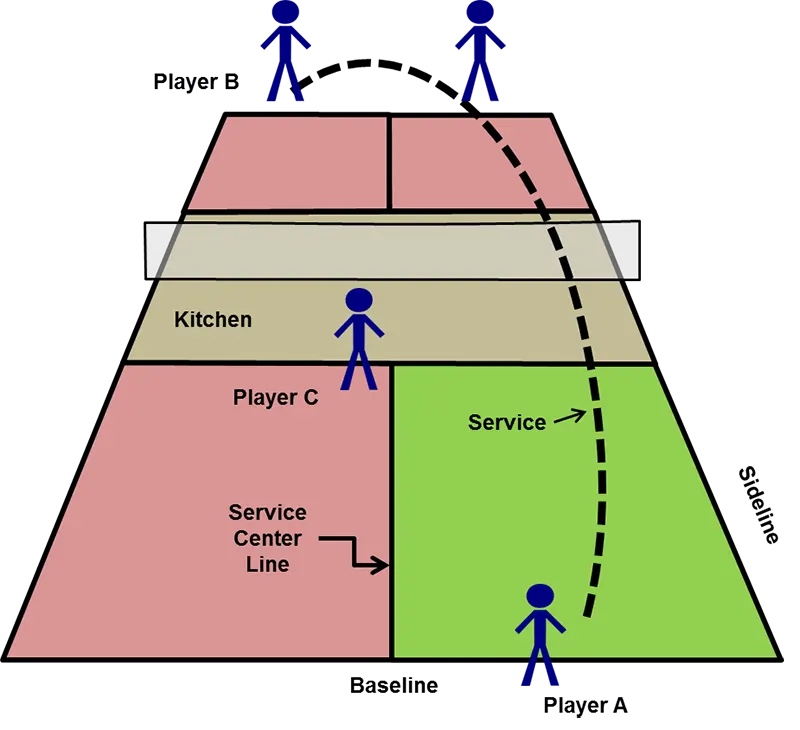
Photo Credit: bettingdog.com
Pickleball serving rules are a little more complex than just hitting the ball across the net, but they’re also relatively easy to understand. There are several areas of serving rules, so let’s take a look and break down each into the simplest possible terms.
Rules for the Serving Team
The goal of the serve is to get the ball into play so that the players can rally the ball and score points. In pickleball, only the serving team can score. This means that you don’t want to lose the serve to a fault or rule violation.
There are no hard and fast rules about which team initiates the first service sequence. This can be decided between the teams by a flip of a coin, based on who won that last match, who served first last time, or any other possible method of deciding that you can think of.
Once it’s decided which team will serve first in a new game, that is when all the other rules of the serve begin to apply. (It’s important to note that the same basic rules of the serve apply whether you’re playing singles or doubles pickleball).
Only One Serve Attempt
If you’re a fan of other racquet sports, you probably know that if you go to serve the ball and miss on the swing, it’s automatically a point for the receiving team. This is true for tennis, but also other sports like ping-pong. With pickleball, this works differently, and generally speaking, each server only gets one serve attempt before they’re required to pass the serve on to the next player in the sequence.
In pickleball, only the serving team can score any points. So, when you miss a serve, the other team doesn’t win any points off of the error. Because of this, the server isn’t allowed a second chance at the serve. Instead, the serve automatically goes onto the next player.
Serving Sequence In Pickleball
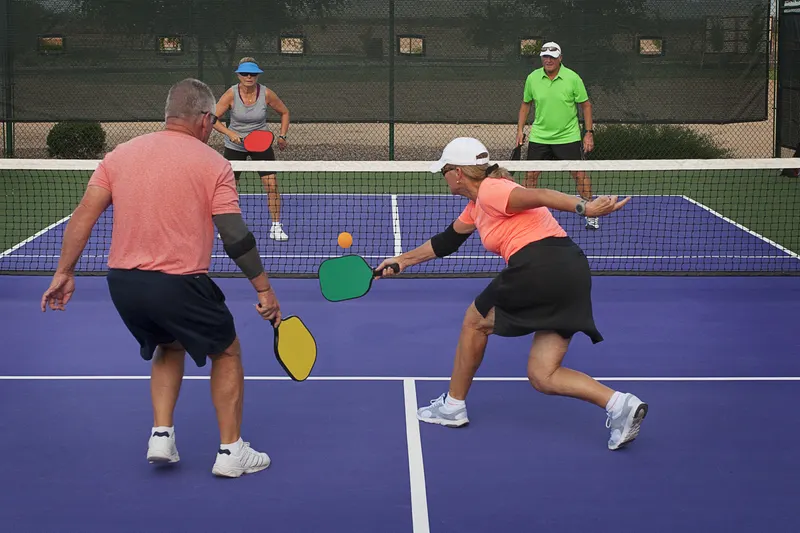
In pickleball, there’s a very specific serving sequence that needs to be followed. If you’re playing doubles, both members on the team will have the chance to serve before the serve moves to the opposing team. The only exception to this is the start of a new game when after the initial serve is lost to a fault, the serve automatically goes to the other team.
But, that rule about the first serve of the game aside, this is how the serving sequence works:
With each serve, the server continues serving either until the rally is lost or a fault is committed by the serving player or team. When playing doubles, only one partner serves until they lose the serve. Once the serve is lost, service passes to the other team member. Just like with the first team member, the server continues serving until a fault is made or the rally is lost.
After both members of a doubles team have had a chance to serve, the serve moves to the opposing team, where each player will also have a chance to serve, following the same rules. Of course in singles, the serve is passed to the opposing team each time the serve is lost.
Positioning and Service Sequence
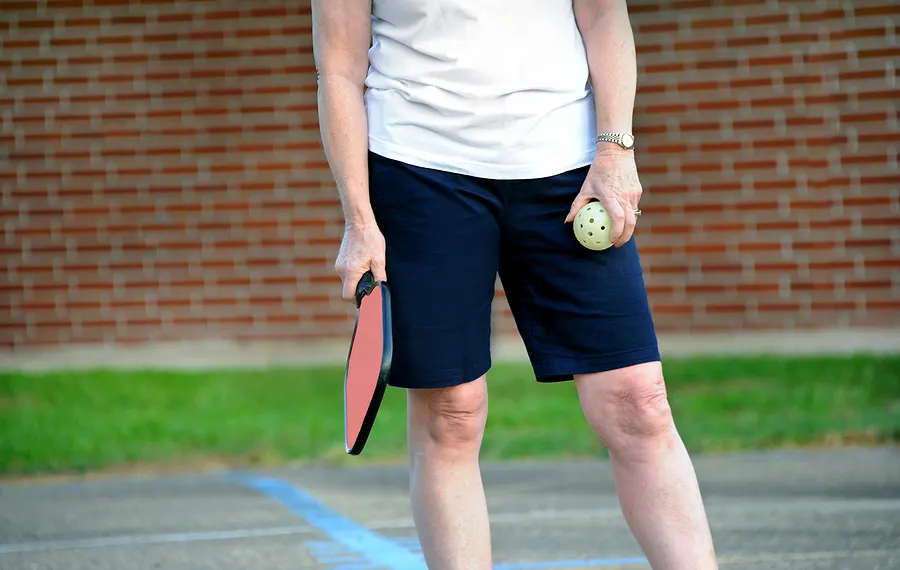
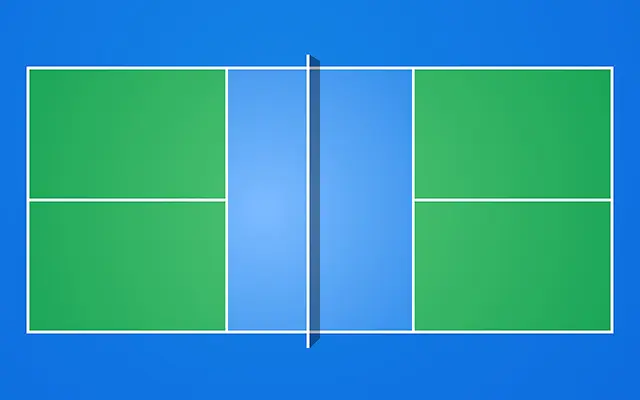
There’s another aspect to the service sequence that’s important to know, and it’s all about positioning. When beginning a serve, the server should always start on the right-side service court. If they hold the serve, they’ll then move to the left-side service court for the next serve of the ball. The server will continue moving to the opposite side of the court with each serve they make.
When the server loses the serve and passes it off to their teammate, the teammate will serve from whichever side of the service court was up next in the rotation. When the serve moves to the opposing theme, the serve starts on the right service court, and then the server continues switching sides to the proper service court in the same manner with each new serve.
The Basics of Serving on a Pickleball Court

So, you’ve learned about all the pickleball serving rules up until this point, and now you’re ready to start scoring points in a fun, competitive pickleball game. Before you grab the ball and land it in the other team’s court with an expert serve, check off all of these boxes to make sure your serve is in line with the official pickleball rules.
When you serve the ball, you must hit it with an underhand stroke, moving in an upward arc. Contact with the ball must be made below waist level. For the purposes of pickleball, waist level is defined as at the navel. Also, when you make contact with the ball, the highest point of the paddle must be below the wrist. Keep this in mind when positioning the paddle in your hand and readying yourself for the serve.
A provisional rule was added to the 2021 pickleball rules update that allows for a drop serve, where the server can drop the ball and hit it after the bounce. It’s important to know that while you can drop the ball from any height, you must not release the ball with any additional force. You also can’t toss or throw the ball for a drop serve.
When the serve is initiated, at least one foot must be behind the baseline, with neither foot contacting the baseline until after the serve is made. Even after you serve, don’t automatically move into the court. You want to stay behind the baseline until the third shot is made.
When you serve, the appropriate service court to land the ball is diagonal to you. If you’re serving from the right, you want the ball to land on the right side of the receiving team’s court (meaning the right side from their perspective). Ideally, you want the serve to go deep into the center of their service court, This will keep the player on that side of the receiving team back further in the court.
If you’re brand new to pickleball, it’s always a good idea to watch a few reputable videos about pickleball serving. This way you can visually see details like how to keep at least one foot behind the baseline line, see a drop serve in action, where the paddle head should be positioned during the serve, and how it shouldn’t be above where the wrist joint bends.
It’s just good to see all of the details of a legal serve, from the upward arc of the server’s arm to every minute detail of serving motion because it’s so much easier to understand when you actually see it in play.
The Double Bounce Rule
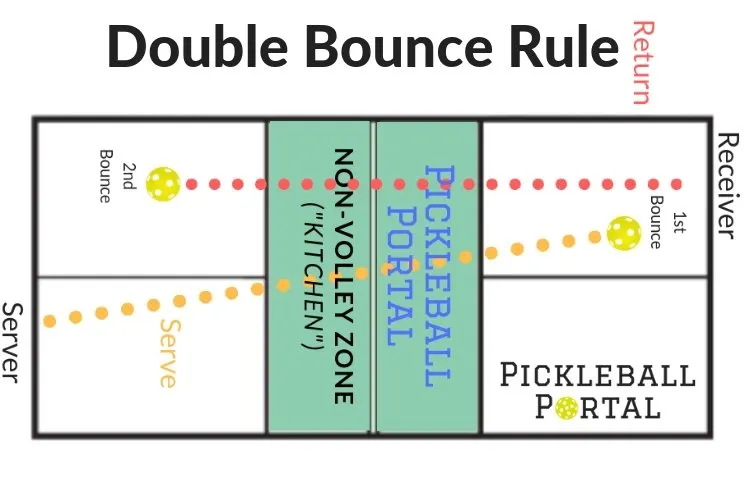
The double bounce rule applies to how the ball is played immediately following a serve. Once the server initiates play, the served ball must bounce twice before either team can begin to volley.
How this goes is the ball is served, then the ball bounces on the opponent’s playing service. The opponents must hit it back over the net after a single ball bounce. The serving team must also allow the ball to bounce once before hitting it. After this “double bounce” the ball can be rallied back and forth with any type of shot.
Illegal Serves & Faults
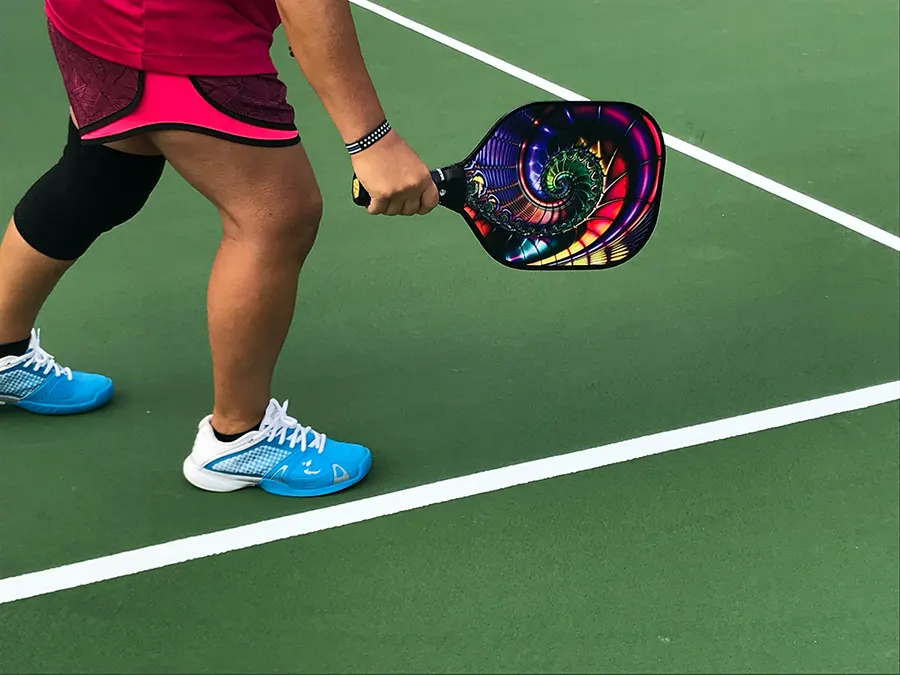
When serving in pickleball, there are a number of actions that can result in a fault against the server, and the loss of the serve. According to the most updated pickleball rule book, these are the plays and illegal serves that can result in fault against the serving team.
The correct player must serve the ball and it must be served from the correct positioning and into the appropriate service box for it to be considered a legal serve.
When serving, the ball must not touch any permanent object before it hits the ground. This also includes the server themselves, the server’s partner, their racquets, or anything that they are wearing or holding.
There are also rules about where the served ball can land. It’s an illegal serve if the ball lands inside the non-volley zone, and this includes touching the non-volley zone line. This rule also applies if the ball hits the net first before landing inside the non-volley zone or kitchen. It’s also considered a fault if the ball lands anywhere outside of the service court.
If the server is performing a drop serve, they must also make sure to follow the rules that include using only one hand to release the ball. If the ball is spun during the release, any parts of the hand that contact the ball must be bare. This refers back to the rule about the ball not touching anything that the server is wearing or holding. During official play, when a referee is present, the release of the ball must be visible to the referee, as well as the receiver.
Finally, the last rule in the playbook about faults and illegal serves is that neither the person serving nor their partner calls a time out after the serve has occurred. Also, it’s considered a fault if the server makes contact with the ball in an attempt to serve while the score is being called.
As you can see, many of these rules apply to official play. You might take a lighter approach to these pickleball serving rules if you’re playing for fun with friends in your backyard.
FAQs
What makes a pickleball serve illegal?
Committing any one of the serving faults in pickleball will make the serve illegal. A few examples include the ball touching a permanent object before hitting the ground after a serve, an illegal element to a drop serve, not serving from behind the baseline, or landing the ball in the non-volley zone, commonly referred to as the kitchen, or anywhere outside of the service court.
Where do you stand when serving in pickleball?
When serving, you want to stand behind the baseline on the pickleball court. Which side of the court you stand on changes as the server switches sides with each serve.
Bottom Line
Every part of the pickleball playing surface has a role in the game, and this includes the area behind the baseline and service courts, which are critical to serving in each game. Learning how to serve in pickleball, and brushing up on the rules is step number one to successful play.
Whether you’re playing singles or doubles, the proper serve sets you up strategically for success. Grab your paddles and head to your favorite pickleball court, and start practicing that serve!